2026 Trend Predictions: Aesthetics and Ventures you’re about to see Everywhere Next Year
Yet another year is upon us and with that we must pull out our crystal ball (and maybe also our tin hats) to make predictions for what we think will be trending in 2026. Last Year’s Trend Predictions were a mixed bag, but let’s recap:
LOOKING BACK:
OUR 2025
2025 Trend 1: Serving Hunt looked promising when I spotted these Make America Gay Again Baseball Caps on @shopjzd followed by @natbco of Washington Post’s 1.5M views on her fishing vest turned carry on travel hack. I had a full blown giggle at @gingeralepricess’s documentation of her local Limited Too being turned into a gun range while crime drama The Hunting Wives on Netflix drew about 5.2 million views in early 2025. Our client Dental Hygiene Nation took a stab at the great outdoors with their Camp Courage theme subscription box fit with plaids, packing cubes, camo and trucker hats. Unfortunately, 2025 brought us a second Trump administration (booooo. tomato, tomato) which has become not only a threat to our environment & our National Parks, but an alarming assault on human dignity, via ICE Raids, restrictive laws on women’s health care, and an all out attempt to erase LGBTQ+ progress and freedoms. Despite all this (which will inevitably come up MANY MORE times in this Trend Prediction. Read: Politics is Shaping your Marketing Strategy whether you Like it or Not), Drag Queen and outdoorsy icon @pattiegonia kept serving us iconic activism and action with their 100 miles in drag to raise $1M for 8 different outdoor nonprofits at the end of this year (with nary a brand sponsor, mind you!). Carrying on…
2025 Trend 2: Crafted Comeback …and comeback it did. Because of skyrocketing inflation, unpredictable tariffs, evident increases in cost of living, and the ever-present internet sludge that is AI Slop (...and this is even coming from someone who actually does enjoy using AI to make visuals) more people are turning to hand crafted, tactile, hand-made textiles, pastimes and gifts. According to Reuters, Etsy Quarterly Revenue is on the up and up and Junk journaling had the tiktok girlies harvesting all their trash and tacking down their treasures as a screen time alternative (do Gen Z-er’s have an ephemera fetish?). Even the death of the beloved crafter’s paradise Joann’s didn’t stop the crafters from getting busy: clay sculpting, rug tufting, mug painting, crochet knitting and needlepoint stitching quickly climbed search ranks and pinterest boards. Our branding client Hotel Lobby Candle even launched a collaboration with Anthropologie on a needlepoint and mahjong inspired candle set. You’d be hard pressed (a craft pun) to not find evidence of the craft obsession in your favorite brand’s feeds as even social media content starts to feel more tactile (see @summerfridays, @loewe, @bode). But tread lightly crafters!!! Trad Wives are quick on your tail. What on the surface feels like a conservative swing towards homemaking and traditional heteronormative gender roles has a darker underbelly rooted in sexism, racism & transphobia along with being a threat to the future of feminism (and the deep irony that creators who recommend the trad wife life content are still… on the internet making content telling you that you shouldn’t. What a switcheroo).
2025 Trend 3: Do Not Disturb Deluxe was unmissable in 2025. Nothing beats a Jet2Holiday when you’re biohacking your way to greater wellness in the name of luxury offline tourism: Sleep Tourism, Elite Medical Retreats, Puerto Rico x Calm App, and the rise of Resort core to coordinate with your Celine branded weights and kettlebells. Collectively we are ooh and aah-ing at the opportunity to ‘be well’ (sooo…sleep? Take care of our bodies and minds? Unplug? Undergo the Severance procedure?). Much like the chaos that unfolds at the White Lotus which debuted season 3 in early 2025 which kicked up a good deal of Thai tourism, many a brand collab and my own series of vocal ticks quoting Parker Posey’s “Piper, no!”. We sauna’d, cold plunged, red lighted, and vibration plated to get a taste of the wellness world and try to alleviate the stress and anxiety onslaught of online algorithms, but we could be on the dawn of Recession Wellness. Time will tell.
2025 Trend 4: Monument or Make Believe’s comically oversized product placements popped off in 2025 even as AI versions and IRL ones become almost indistinguishable. @peoplebrandsandthings and @studiosmuse_ noted this as trending in early spring. Moet, Mac, & Coachella went inflatable while Glossier, Farm Rio, Rhode and Skims built full-on larger than life product replicas and set pieces. Timothy Chalamet is currently promoting his newest movie Marty Supreme via 135 ft blimp (among other buzzy marketing tactics), which makes it part of movie studio A24’s largest production budget to date. Although this trend prediction forecasted how big brands would use physically built OOH installations to challenge the viewer’s idea of what is AI and what isn’t, the current Trump administration and White House social media pages all year have posted, reposted and meme-ified their policies. “Welcome to the United States’ first White House administration to embrace and use imagery generated by artificial intelligence in everyday communication.” (Trump’s White House is testing the limits of AI-driven political messaging, Poynter) Need I mention the video of Trump dropping feces from a fighter jet onto fellow Americans protesting him during No Kings Day protests or AI-ing himself as the Pope? I so wish that wasn’t a real sentence. But it’s not over yet, folks! Trump has recently signed an executive order blocking states from enforcing their own AI regulations which triggers my dad’s voice in my head saying “don’t believe everything you see on the internet.” And yet…
And yet I’m asking you to take a wild ride with me!
Let’s get into the Trends that I *think* (Believe? Manifest? Placebo?) will be everywhere in 2026:
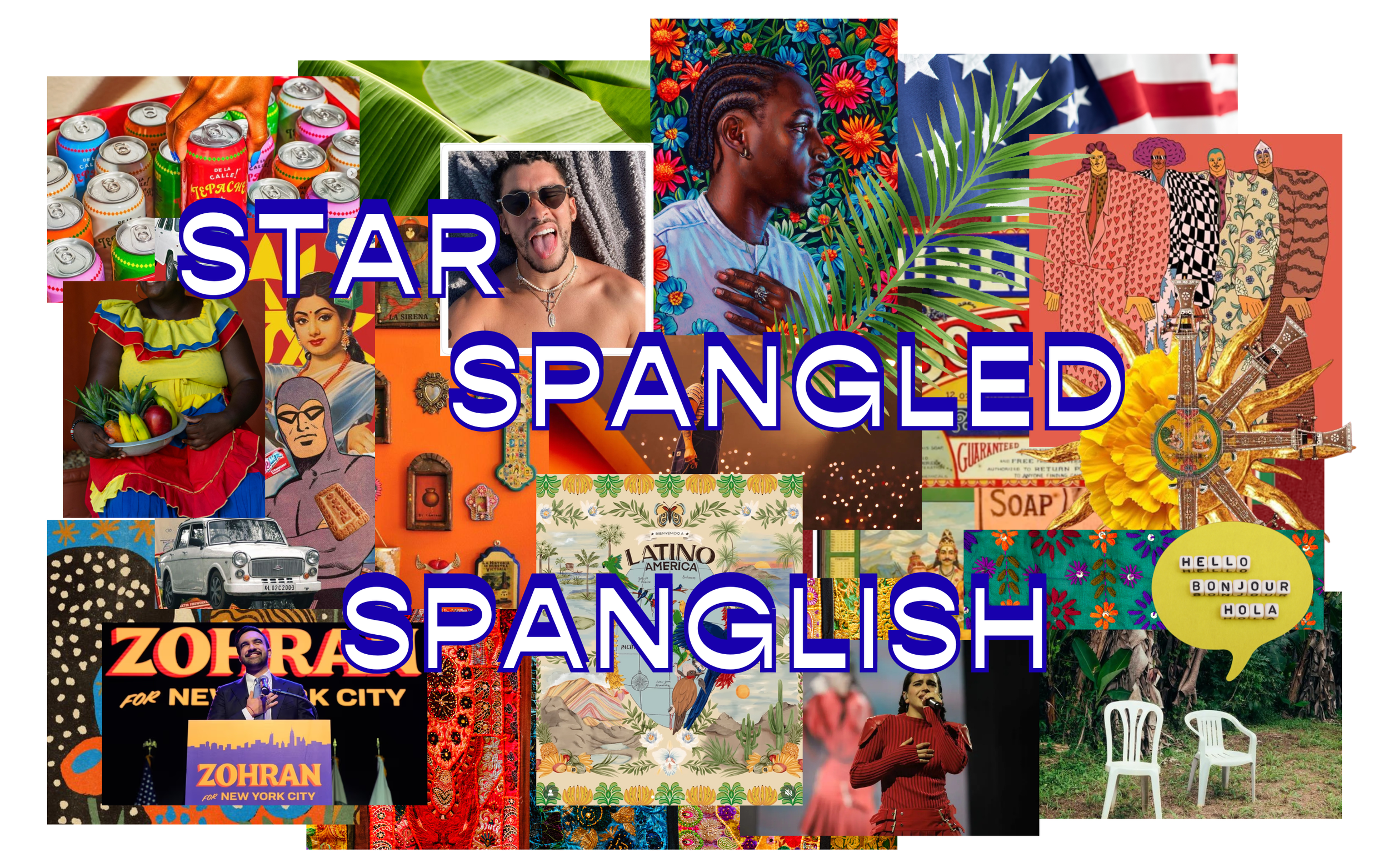
TREND 1: Star-Spangled Spanglish and Vibrant Maximal Multiculturalism 🇵🇷 🌴 🎨
At this point you’ll know that… yes, this is political. Design is political. Art is political. Entrepreneurship is political. So it should come as no surprise that we’re bringing the spice with our first trend prediction. To understand what this actually is, let’s first look at what this trend is NOT and why it’s happening right now. To me, this trend is best described by what it’s a rejection of: a rejection of white supremacy, a rejection of regressive conservative politics (cough Trad Wife), and on a lighter note a rejection of millennial gray, the Pantone Color of the Year and the clean girl aesthetic. We’ve anesthetized ourselves from flavor, from color, from ornament. It’s why all coffee shops look the same, why we’re falling victim to “Netflix lighting”, and why all fast food chains have become big gray boxes: for max profit & conformity. The thing about ornament is that it takes time, costs money, requires skill, and is often embedded in soooo much culture and tradition. Enter: What I’m calling Star Spangled Spanglish & Vibrant Maximal Multiculturalism
My hope is that the cultural pendulum swings once again (remember Obama era Hope Core?). Away from white supremacy and white american conservatism back towards this new era of embracing multiculturalism and intersectionality. Star Spangled Spanglish starts sparking with Bad Bunny’s Superbowl halftime show marking the “first time in the Super Bowl’s 60-year history that an artist who exclusively performs in a language other than English will headline” which is not being embraced by the conservative right, i.e. Turning Point USA hosting their own all-american half time.
But what does Bad Bunny represent in 2026? After opting to do a residency in his home country of Puerto Rico and specifically not touring in the US because of ICE raids, Bad Bunny and other top Latin Artists like Rosalia (who just sang 13 different languages in her latest song Berghain on Lux by the way) represent an undeniable dedication to their culture, displaying ultimate pride and vibrance. The multicultural influence is palpable from musical influence, to personal fashion, to set design, to album art, to political activism, and beyond. Pride and vibrance were two visual characteristics so obviously driving the bus (get it) in Zohran Mamdani’s mayoral campaign graphics in New York City. Zohran’s historic win will cement him as NYC’s first muslim and asian american mayor. Bold blues, bright red, classic taxi cab yellow and clear, concise, inclusive messaging that gave the feeling of a hand painted corner bodega street sign or window display. Connecting people to place, message to messenger, and aesthetic to thought leadership.
But let’s not forget sports! Upcoming this year: the 2026 Winter Olympic Games in Milan (see its branding here) with “energy, enthusiasm, inclusiveness, and creative talent” as the key drivers of the visual aesthetics that “invite visitors from around the world to experience the revitalized ‘Italian Spirit’”. This Olympics design features more of a shift decisively toward human gesture, emotional elegance, reflecting a softer, more expressive global visual culture than typical sports and olympic design. Also coming in 2026? FIFA World Cup (see its branding here). Its design is loud, kinetic, and emotionally charged & set to be the most viewed sporting event in history, as it is jointly hosted by the United States, Mexico, and Canada. Around 5 billion people worldwide watched some part of the 2022 FIFA World Cup making it the most watched sporting event on the planet, and that was 4 years ago. This year’s tournament could mark a cultural tipping point for Americans, bringing soccer fully into the U.S. mainstream through unprecedented exposure, nationwide host-city energy, and a surge in fandom that extends far beyond traditional soccer (majority spanish speaking) audiences.
Star Spangled Spanglish & Vibrant Maximal Multiculturalism marks a rejection of whitewashed minimalism in favor of loud, colorful, culturally rooted design. Driven by Latin resilience, inclusive political visuals, and global moments that re-center pride around multicultural identity in the American visual landscape, here’s what to keep your eyes peeled for in 2026:
WHERE YOU’LL SEE IT
BRANDING & DESIGN = Vibrant Multiculturalism presents itself in full saturation. Bold, loud color palettes that use the full color wheel. Colors with high contrast in close proximity bring maximum energy: Deep reds with vibrant greens, blues and oranges bumping right next to one another, purples and yellows not muddied or mellowed by palette cleansing beiges or greiges. Think BIG lettering, fonts and typefaces with a visible weight to them. Also ones with maximum amounts of ornament, detail, and craftsmanship that call from a deep history of human tradition, influenced by local artisans. Inspiration pulled from museums, archives, and old drawers at your auntie’s house before global tech and the internet diluted them. Textures, symbols & patterns (like stars and stripes) tell a story here. Kehinde Wiley’s portraits come to mind. Layered textiles, multicolor weavings, expressive carvings, and punchy portraits invite us to stay longer, take in every little detail and appreciate the hands that made them. We reach for people, places, and things that feel like a celebration of life, culture, and connection.
At MKW Creative Co, three of our branding projects come to mind: Studio Tigre, Galavant Society & Same Skin. Studio Tigre is the brainchild of coffee entrepreneur Mo Maravilla (a connection from Cafe Operator Erica Escalante of Cafe Reina) who is creating a one of a kind coffee universe in Los Angeles that will blend her Filipino heritage with global coffee education and borrow from culinary and cultural traditions worldwide. Alle Pierce of Galavant Society launched with the tagline: Travel for the Fabulously Curious catering to travelers who want to live out loud by seeking adventures that bring them to new cultures, customs and communities. Same Skin has become a community hub for women of all colors and backgrounds to reconnect to their roots and one another.
PHOTO & VIDEO = If I were to creative direct a photoshoot for this trend, I’d channel photographers like Campbell Addy, Rafael Pavarotti, Dana Scruggs, or Alex Webb & Rebecca Norris Webb: bold, brilliant, big on personality. Media that caught my eye includes Indian and East Asian influence like: @paperplanesfest collage reel, @ayaan.stuff_’s Indian Maximalism visualizer, @lottosportindia, @andahalfph or brazilian collage maximalism like this animation from Farm Rio. I loved this brand film for Puma x Ahluwalia because the styling, lighting, comedic camera work, and melting pot of cultures hits all the right notes. Expect to see multiple languages in photo, video, podcasts and other digital media complete with translated subtitles that are part of the design and not a functional afterthought (most of Gen Z watches content with subtitles already).
PRINT, OOH & IN-PERSON = The physical manifestation of vibrant maximal multiculturalism comes through in signage. We saw @koysun painting the Zohran Logo and many of the designs I created for the No Kings Day rallies carried the same styles. This trend begs for print treatment similar to Fishwife’s Costco Packaging or coffee brand Lavazza’s Pleasure Makes us Human Calendar. But designers beware, you might have to make room for multiple translations on your product packaging. “The multilingual packaging market is set to witness notable expansion over the coming years” (from Yahoo Finance). AI tools may aid in translation, but regulation compliance from country to country varies. Product design collaborations will give emerging designers & tastemakers a chance to leave their thumbprint on brand DNA like Crocs x Salehe Brembury where the sole of the shoe was reimagined to look like a literal fingerprint.
FASHION & CULTURE = In fashion and culture, turn to the brands with a trusted track record for this bright, bold, detailed and deeply cultural aesthetic: Carolina Herrera, The Jungalow, La DoubleJ, Farm Rio lead the charge. On the consumer brand front? Tepache Soda, Diaspora Spice Co., Siete Foods, Fly by Jing, Ghia Apertif. Forbes predicts a multitude of brand activations in and around the FIFA world cup including wearables & merch that celebrate diversity.
Brands that should do this soon:
Not touched on yet but worth mentioning is the reason this trend will work for brands is because it’s *actually* authentic. Authentic to the founder story, the historical context, the message, the product or the community actually being served. Brands that could take notes on this in 2026 would be the ones that claimed DEI was a core value, yet eliminated these practices when Trump was back in office (looking at you, Target). Interior design and home brands could do a better job at celebrating where and how they source from artisans. Food and beverage brands could educate and celebrate their ingredients with an homage to cultural traditions. Personal brands, politicians and public figures please take a page from Bad Bunny’s playbook: people first, profit second. Want to tune in for more? Listen to Ep 201: Building a Global Brand with Shay Bacani and Ep 234: Self-Loyalty and Business Success.
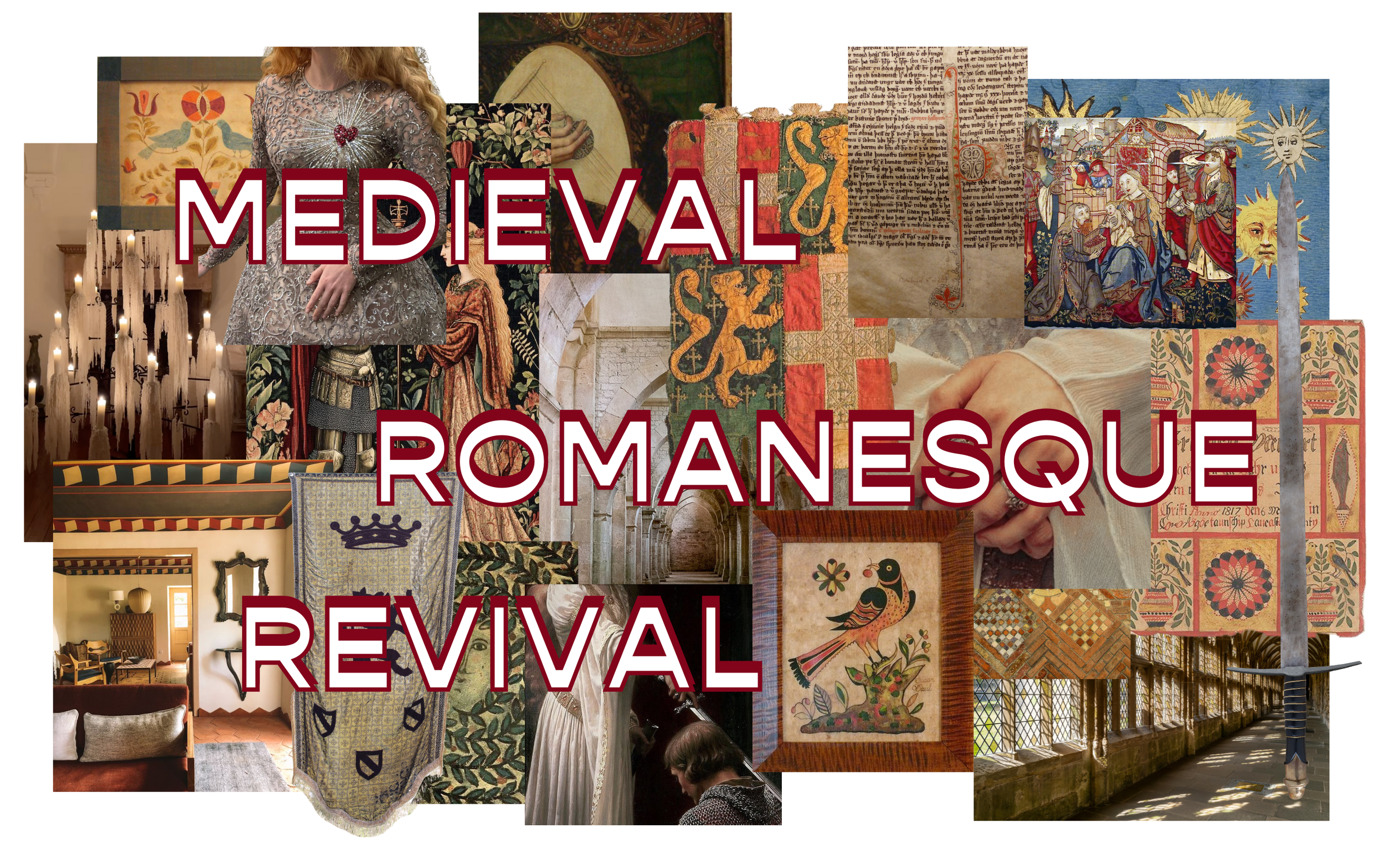
TREND 2: Medieval Romanesque Revival 🌞⚔️🥀
Gather round ye lords and ladies, we’re going back in time. At first you might think this trend sounds more Halloween than happening but I’m here to point out some striking similarities between the medieval period and modern times. The Medieval Era was structured around feudalism: a rigid social system where land = power. Lords owned the land; peasants worked it. Peasants were ~90% of the population (see where I’m going here). This period, also known as the Middle Ages, generally spans from around 500 AD to 1500 AD in European history and the Black Plague struck Europe primarily between 1347 and 1351, killing an estimated 30–50% of the population in just a few years (getting flashbacks yet?). Themes of power consolidation, economic stratification & institutionalized information gatekeepers lead to technological asymmetry: where a small elite understands and controls advanced tools (cough cough AI, data, algorithms), while most people who use them don’t have the power to affect change within them.
As trust in large systems erodes, people retreat into smaller, values-based communities (digital guilds, niche networks, mutual aid). They’ll use strong visual identities, symbols, flags, fandoms, and belief systems that signal allegiance & belonging. What might feel far-fetched or confused for cosplay of a fantasy land far far behind us historically may just become part of how we tell stories about our current realities: heroes and villains, good vs. evil, masters, makers, bravery and lore. It’s why Modern Couples are Reviving the Medieval Style Wedding according to New York Times. Vogue highlighted how motifs like armor-like silhouettes, brocades, patterned velvets, and imagery connected to knights and courtly figures appeared across collections from brands such as Fendi, Dries Van Noten, Ulla Johnson, Victoria Beckham, and Schiaparelli.
This trend piques our interest in symbolism, mysticism, and more eyes than usual on Catholicism (thanks to a new American Pope that was elected in May on 2025). The Vatican reports a growing global Catholic population. More young people are returning to faith and religiosity. “Historically, every period of secularization (that is, declining rates of religious adherence) in the United States has been followed by a period of religious revival.” (Patheos) While they won’t be sitting in grand medieval basilicas in the US of A per se, Christian and Catholic religious iconography will undoubtedly leave a visual impression on the cult… I mean culture.
Culturally, themes of medieval debauchery circle back around every generation. Monty Python and the Holy Grail just turned 50, Braveheart just turned 30, and Shrek is turning 25 in 2026 (yes, you’re that old). In modern entertainment, Season 3 of GOT's House of the Dragon is expected to premiere in early summer 2026, most likely June 2026 and A Knight of Seven Kingdoms Game of Thrones prequel hits HBO January 2026 bringing themes of feudal inheritance & bloodline obsession, lords, banner men, and allegiance, land as power, ritual, heraldry, and symbolism.
WHERE YOU’LL SEE IT
BRANDING & DESIGN = Medieval Revival style is easy to spot. Its key visuals are driven by the materiality of wood, stone, iron, sheathed in velvet, wool, linen and leather. The color palettes are earthy muted earthy browns, dull reds, golds, greens, and blues. Its handmade construction is imperfect, rudimentary, and romanesque. Subjects are deeply hierarchical and highly, highly symbolic.
A Medieval Romanesque Revival aesthetic features castles, villages, monks, manuscripts, peasants, armor, sword-and-shield-yielding knights depicted on tattered tapestries. But beyond the grand storytelling, there’s also a humility to its design. It’s not dainty, frilly, or pastel but strong, tough, weathered, and historical.
A brand from our portfolio that carries these qualities is Amador Wine Country’s recent rebrand (coming to our site soon!). We pulled inspiration from traditional European winemaking traditions and also called back to the more recent 1970s medieval revival with Spanish and Italian inspired typefaces, linocut style etching illustrations, and textures like oak, steel, stone and iron. What we created is a brand that is earthy, rustic, and just what it says it is… good wine for honest people who work the land and enjoy the fruits of their labor (and the juice).
PHOTO & VIDEO = In photo, video and design Medieval Romanesque revival looks like @jacob.hutch’s medieval stamp designs and Marco Zamora’s interior design DIYs. @historywithmeg’s medieval scroll break and @polina_meshkova’s medieval girl’s day at a castle. Visually, @alana.28 is the face of this trend racking up 375k followers watching along as she seemingly time travels through fashion, beauty and presentation. Museum archivists are getting their flowers with accounts sharing content like Getty Museum medieval Illuminations Series & medieval books. Even Medieval memes are having their moment. Can’t forget Trisha Payta’s Tavern for the wayward travla. This is what the Medieval Romanesque Revival sounds like to me. Florence + the Machine get it. They just dropped a very medieval influenced album ‘Everybody Scream’ on Halloween. Similarly, Rosalia’s Lux is a “God-haunted masterpiece”.
PRINT, OOH & IN-PERSON = Immersive fantasy takes root in Medieval Times, Ren Faires, and concerts in 2026. Esquire takes us Inside the Very Peculiar and Wildly Popular World of Armored Medieval Combat. One of Scandinavia's biggest medieval events, featuring jousting, markets, and workshops happens August 2-9 (Medieval Week Gotland) and many US states from Arizona to Montana to New Jersey are hosting their own versions in 2026. Millions have watched Medieval Times Theme Dinners gain in popularity on tiktok and so is eating like a medieval peasant see @eatshistory.
When it comes to print design, remember that the medieval period predates the printing press so anything ‘print’ was actually a handmade object. Text was copied by hand onto parchment paper with ink made from soot and plant dyes. Pages were imperfect, drawn by hand, and marginalia or notes and illustrations in the margins of large blocks of text were common practice. The vast majority of people could not read or write (estimated about 5-15% could) and was reserved for nobility, clergy, and the high court. Art, illustration, frescoes and stained glass became visualizers for stories and fables. Founded in 1221, Apothecary and Fragrance House Santa Maria Novella of Florence, Italy does this look exceptionally well.
FASHION & CULTURE = Fashion houses and decor brands alike have embraced the medieval influence like @houseofhackney, @dulcetghost medieval apartment inspiration,artist and designer @friedaleopold mixes historical elements with modern fashion. Chrome Hearts is a masterclass in medieval inspired high fashion. Almost all of my homework for this trend was encapsulated in @chloyorkcity’s fashion roundup of medieval inspo who cited the premiere of 100 Nights of Hero as a treasure trove of medieval visuals. Honorable mention for our ahead-of-the-trend tastemaker Chappel Roan as Roan of Arc at the 2024 VMAs. On a more practical level @nichefashiongirl_’s medieval weird core shows us how to pull medieval > mediocre.
Brands that should do this soon: Brands that could have a literal field day playing in Medieval Romanesque revival are ones with deep storytelling capacity. This could be relating to beauty or fragrance brands, luxury fashion or accessories, and food and bev. Food brands that cater to long, centuries old processes could easily adapt to this visual style: grain mills, bread bakers, soups, porridges, cheese, butter, salted meats, dried fruits, honey and nuts companies. Naturally wineries, breweries, cideries, and maybe mead? (a honey based fermented drink) will have its moment. Guilds and apprenticeships could harken back to this bygone era with all the -smiths: silversmiths, leathersmiths, woodsmiths. What is crossfit if not wannabe medieval mercenary training (cmon ‘battle ropes?’ bffr). Imagine fitness that was a lot less glossy in 2026.
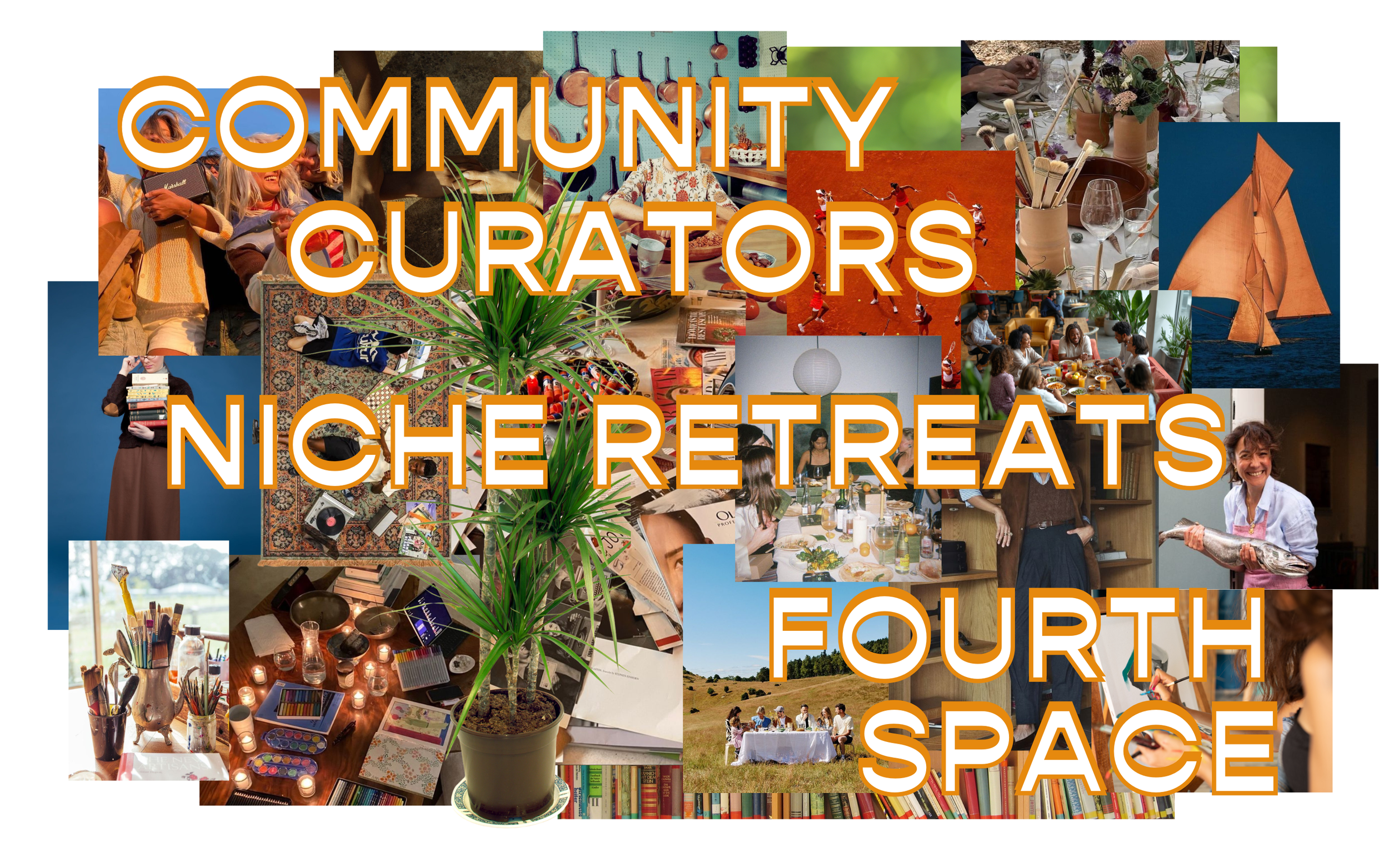
TREND 3: Community Curator & the Niche Retreat aka the Fourth Space 📚🪴🔎
After a decade-long run as the tastemakers of the internet, Influencers are losing their influence with recent stats sharing 45% of people between the ages of 13 and 22 say influencers just don’t have the same power that they used to. But without influencers telling us what to wear, eat, buy, where to shop or vacation… how will we know?? (sarcasm). Time to make room for the normies! About 53% of people are more likely to trust recommendations from regular people online whom they don’t know rather than creators with large followings. Organizers at the helm of these communities become the new influencers and here’s why:
Thanks to the internet, people with niche interests can find each other. Think facebook groups, tiktok trends, instagram accounts, dedicated specifically to a niche interest. Members of said communities want to connect in real life and look to these community curators or hosts to well,…host them. Enter what we’re calling “Fourth Space.” If your first place is home, second is work (getting looser in definition as more and more of us work remote), third is social spaces (of which we are severely lacking), then fourth space becomes an “architectural blueprint for connection in a blended reality future” where online interests meet with each other offline. For example, a bookclub that hosts a retreat in a cabin (our client Bad Bitch Book Club Reading Retreat Summer Camp featuredin NYT), a women’s only cullinary retreat in Portugal, a coastal runclub that meets weekly at a coffeeshop… Research shows that 95% of Gen Z are interested in exploring their online interests through in-person events. 73% of 18-to-35-year-olds plan to attend live events in the next six months, and a whopping 45% of people surveyed cite belonging and identity as key motivators for joining communities.
People are looking to bring parasocial online relationships to real life social ones: “the ‘URL-to-IRL movement’.” “Specificity is crucial; it's not just about general socializing, but about connecting deeply with like-minded individuals around shared, often niche, interests, significantly enhancing the potential for authentic bonds compared to more diffuse interactions in traditional third places.” (Trend Horizon: By 2035, Fourth Spaces will Redefine Connection by Prioritizing 'Why' We Meet over 'Where' #Trend). The community curator role is about platforming the expert again. My prediction? People will be willing to travel to do it.
Imagine a Marine Historian hosted Indonesian Spice Island Tour, a medical practitioner's Menopause Wellness Retreat, a fashion expert’s vintage buying tour in Paris, an archaeologist’s expedition through ancient ruins, Astronomer's Cruise on the Nile to see the Stars over Egypt (see more in
National Geographic’s Top 10 Expert Lead Trips to Try). In this world, chefs, historians, designers, curators, professors, sommeliers, hobbyists, historians, anthropologists, librarians, craftspeople become the tastemakers because they actually host communities instead of strictly creating content. At a time when the Trump administration is undermining and defunding colleges and universities, expertise in a field via education and lived experience becomes more rarified. As a culture, we are hungry to learn among like-minded people, and from those who actually know what they’re talking about.
Contrast this with the pandemic ‘get rich quick schemes’ of online education and digital course creation. The marketplace era of selling a $47 course on a general topic is declining. In 2026, the Consumer Education market is defined by a single, harsh reality: You can no longer sell just plain ol information. Because AI and YouTube now provide all the information you could want on any topic for free, the market has shifted entirely from selling content to selling context (community, accountability, and speed). Completion rates for standalone self-paced courses have stalled at <20% (and often lower for cheap courses) while microlearning on TikTok (lessons under 5–10 minutes) now makes up over 60% of all e-learning content consumption.
We don’t want DIY anymore, we want thought leadership & the chance to connect as evidenced in the 2025 rise of Substack & long form editorial. The OpEd-ish platform moonlighting as an email newsletter alternative now boasts 5 million paid subscribers and 35 million active users with its Top 10 authors collectively earn over $40 million/year. Total gross writer revenue is estimated at over $450 million.
But remember, In order to be a good curator of anything, you need taste. You need a point of view, you need to be a good communicator. Ultimately, your taste, level of insight, distillation of ideas, your selectivity and your discernment of quality will be the differentiator between the phonies and the virtuosos. Your worth is tied to how well you select, synthesize, and contextualize (which for now is also a welcome antidote to AI summaries).
WHERE YOU’LL SEE IT
BRANDING & DESIGN = On a branding and design front, this is about tying your thought leadership to your brand aesthetic. Expect to see more individuals creating personal brands for themselves so everything from their instagram to their substack to their website feels like a peek into their world. Creators who do this stunningly already: Meredith Hayden aka Wishbone Kitchen & her Dinner with Friends Youtube Series for her delicious blend of food and personality, Brittany Broski & the Broski Report for her wide range of academic rabbit holes and her internet brain rot references. I wouldn’t be surprised to see either of them host trips, conferences, live shows or meetups in 2026.
From our portfolio, Galavant Society & Bad Bitch Book Club for hosting retreats for being prime examples of traveling not for the sake of travel, but to be places with the people you share things in common with. Same Skin is hosting transformative recalibration retreats and Dental Hygiene Seminars (co-chaired by Dental Hygiene Nation) hosts hopeful hygienists for study sessions ahead of their board exams. In 2026, catch yours truly as the keynote speaker for Mermaid on the Moon retreat in Tulum, Mexico.
PHOTO & VIDEO = On a photo & video front, it’s imperative that the visuals of community are at the forefront. Your audience online should be able to see themselves literally in your content. It’s not about the pixel perfect influencer POV anymore, but about honest documentation of why we meet. This could look like man-on-the-street style mic’d up interviews like these clips captured for Falk Ruvin Gallagher’s community events or @chelseafagan’s straight to camera advice. Casa Lawa’s to the point trip announcement videos always have me drooling and so does @lapeetchfr’s cookery school in Julia Child’s french cottage because we can see the realism of what it’s like to be there. The photo and video of the Fourth Place trend is not glossy, overly produced, or contrived – it’s an honest and realistic capture & documentation of what’s taking place.
PRINT, OOH & IN-PERSON = From a print perspective, the Community Curator and Niche Retreat begs you to break your habit of short form content consumerism. It wants you to sit with the material that isn’t burning a blue light hole into your retina. Think newspapers, zines, catalogs, editorial magazines, lookbooks, cookbooks, and academic papers.
Group Trips are key. Getting people out of their homes, off their screens and in real life is the driver here. Not confident in your own trip planning abilities? Work with travel services who can plan private or group travel for you (plug for our clients Galavant Society and Jetset and Travel) so you, the expert, can stay in your zone of genius.
For brands and creators, conferences, live Shows & meetups become the IRL extension of your community. Podcasters are primed for this already, but CPG brands can do this, too. Imagine an ice cream brand that hosts a trip to a dairy farm, a nail polish brand that hosts a nail art workshop, a romance bookstore hosting a series finale viewing, or a coffee brand hosting a barista training (Studio Tigre is going to do this by the way). The best way to build your community is to serve your community so consider how you can reward early adopters to your brand or business by giving them exclusive, earned access to events that the general public cannot. More on this topic in these episodes: Ep 229: Why your Rebrand Needs a Launch Party, Ep 235: Concierge Branding & Community Building, Ep 233: Why in Person Meetings Matter.
FASHION & CULTURE = Fourth Space Fashion and Culture rely on the ‘if you know you know’ of it all. This is where merch is key. We want to signal our membership/alignment with a community through external signifiers. Stickers, patches, bag charms, sweatshirts, baseball caps, bags, backpacks, totes, the list goes on and on. For Galavant Society, we created silk scarves you can only get by going on the trips. Without influencers dictating trends, people dress to reflect their interests, their intellectual or cultural affinities and have conversation pieces that create intrigue.
The look of the expert host is confident, individualized, opinionated and repetitive in silhouette, color, texture and pattern. It’s not easily swayed by internet fad, but rooted in realism and functionality and deeply aligned to a sense of place. It begets genuinely functional items that make sense of the ‘why’ you’re going there and with whom. The apron from the cooking or ceramics residency, the prayer bead necklace from the spiritual ceremony, the journal from the writing retreat. Curious how to find your community curator aesthetic? Ep 231: Styled to Lead Intersection of Aesthetic & Authority
Brands that should do this soon:
The brands that should do this soon are the ones who are fed up with the algorithms of social media (I mean we all are, aren’t we Ep 198: Marketing without Social Media). Food, beverage and culinary brands have a natural in because they can bring the people to their kitchens or the regions from which they source ingredients. Fashion, beauty, and lifestyle brands can encourage trips with stripped back agendas – leaving attendees the chance to enjoy the product, the place, and the people more than a traditional press trip. Media, Education and Knowledge based brands like journalists, media personalities, podcasters, professors, practitioners, and certification bodies can bring their online peeps together for immersive experiences, behind the scene tours, and educational sabbaticals. Health and wellness brands seem to have this idea on lock, but in 2026 it could look like hosting satellite meet ups in different cities or weekend long conferences for past attendees to connect.
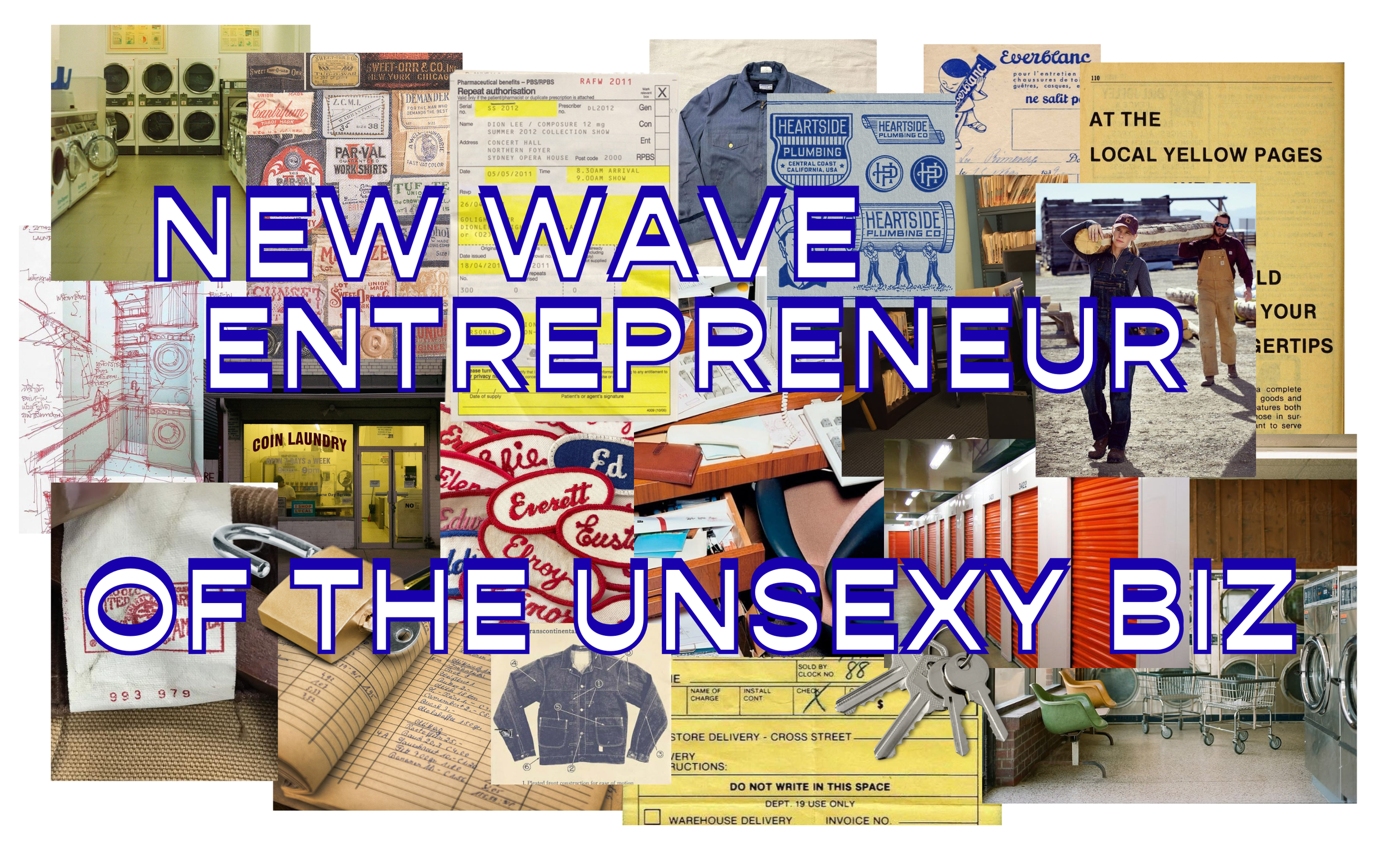
TREND 4: New Wave Entrepreneurship of The Unsexy Biz 🚧 🗄️ 🔐
Economic recessions are drivers of innovation. This year alone, 1 million people have lost their job in the United States. Unemployment rose to a high of 4.6% this year, and the employment gains are the weakest since 2020, and before that, the Great Recession. Trump’s tariff policies are making it harder for small businesses to survive, and AI has enabled big corporations to do mass board-approved layoffs in the name of profits.
What we learned in 2020 is that people without jobs have two motivators in starting new ventures or buying existing ones: they’re desperate and they have no choice but to go all in on their idea, or they finally have the time and the mental space to pursue the dream that’s always been lingering. During the pandemic, entrepreneurship spiked as “2020 shaped up to be the best year for business applications on record” according to the Economic Innovation Group’s dataset with a reported 4.5 million new business applications submitted amidst a global pandemic. And tbh, our business felt it. We designed 41 different brands that year, went viral on tiktok, and were able to build our team because of it.
But what kind of businesses will people start in 2026? Here’s my take. The best new businesses won’t look exciting — they’ll look inevitable aka the “Unsexy Biz.” The Unsexy Biz is the one that wasn’t built for virality but for stability. These are businesses that are often unseen or unnoticed but bring dependable revenue in times of uncertainty. Paired with an aging out population of technicians and specialists, this new wave of unsexy business could be: plumbing, HVAC, electrical, solar, smart home installation services, pet care services, elder care, in-home managers, landscapers, and the like. More young people are buying up or starting laundromats (Laundrette NYC is the GOAT of this), car detailing businesses, self-storage facilities, trash hauling, organization services. Gary Vee lost his goddamn mind when this guy shared his garage cleaning to resale business. On the B2B front, it’s the integrators and operators that are getting the spotlight this go around: accountants, payroll, systems managers, operations, fractional c-level advisors and experts. For personal care brands, skin care and hair care are out, dental care, ear care, sinus care, and first aid are on the rise. These categories are sooo ripe for a rebrand.
Lack of succession plans by boomers mean that more businesses will become available for purchase in 2026. Of business owners surveyed by US Bank, “only 54% have created a succession plan” meaning new generations are prepping to take their place. “More than one-third (36%) of Gen Z and Millennial owners say they plan to acquire a business from a retiring owner.” (Banking Journal).
Fast forward to today and “Entrepreneurship continues to surge: the United States is averaging 430,000 new business applications per month in 2024, 50 percent more than in 2019.” Even better? “43% of self-employed Americans are female, more than ever before and Black, Asian, and Hispanic shares of self-employed Americans are also near all-time highs.” (US Treasury).
WHERE YOU’LL SEE IT
BRANDING & DESIGN = Something millennials and Gen Z’s know how to do is to build brands. These otherwise tragically overlooked service based businesses are 30+ years overdue for a makeover (usually because the previous owner didn’t understand the impact of brand on younger consumer behavior). This became clear in a recent brand project of ours: Pinnacle Aviation who needed an updated brand look that preserved legacy.
But let me be clear … this trend isn’t about gentrifying or over-designing and hoping that a trendy logo or viral video will solve all the brand marketing problems. When designing for an established or legacy company, here are a few considerations: you build trust when you honor your roots because your business advantage is your consistent history. Consider the rebrand of the unsexy biz as an upgrade, not an overhaul. This could also look like pulling from the archives: receipts, photos, papers, notes, files, or anything that points to the traditions, trials and tribulations of the past and how those make your business a fixture of the community you serve. We did this with Polar Bear Eats, reviving the original 1950s diner clock as a brand asset and in Amador Wine Country’s rebrand when we designed the logo based on old labels and signage in the area. We’re also currently working on the rebrand for our own Operations master, Cody of CodyOBM (soon to be a new name) so stay tuned for that!
A good branding partner in this type of venture will know what you need and what you don’t. Making sure you’re investing in rebranding when it makes sense is key here, so be sure to tune into Ep 241: 10 Most Common Rebranding Questions Answered.
PHOTO & VIDEO = Entrepreneurs in 2026 know that the best marketing for your venture is building in public. I recorded an entire step-by-step on this in Ep 202: Creating DIML & Case Study Content Step-by-Step Guide then level up with this tutorial for better shots by @jazziesillona. Neuroscientists back this, citing that “Learning in public —sharing ongoing progress, asking questions, and inviting feedback throughout the journey — can dramatically accelerate success.” (Entrepreneur). Similar to the Community Curator trend, the photo and video style that best summarizes new wave entrepreneurship is the content you can create right from your phone. Unstaged, unpolished, practical, slightly imperfect, but real. Observational content like fixed tripod shots, slow pans, quiet b-roll, and step-by-step process clips are ASMR magnets like this video of the Dapper Notes x See Jess Letter Collab.
PRINT, OOH & IN-PERSON = Print design here exists to explain, guide, document, and reassure. Think Service one-pagers, Process sheets (“What to expect”), Estimates & invoices, Maintenance schedules, Warranty cards, Onboarding packets, Checklists, Safety instructions, Loyalty punch cards and quality certificates as part of the brand arsenal. The design work for the unsexy biz is clean, calm, ordered, legible, durable, and meant to enhance the experience, not distract. OOH pieces might include: vehicle wraps, lawn signs, job site & building signage that is clean and to the point, unlike the AI software tool marketing gobbledy gook that means nothing to anyone. Get to the point. Solve one problem and solve it well.
FASHION & CULTURE = Workwear, uniforms, and practical use cases for fashion within this trend as we are starting to crave the predictability of a plain tee, repeated silhouette and function of a good ol pair of overalls in a society dominated by fast fashion and microtrends. Clothes that age or wear with the wearer (see Pandr’s paint adorned muralist merch). After years of aspirational branding, influencer economies, and speculative success, people want systems that work — not stories that sell. In 2026, culture moves away from falsified performance and back toward function, contribution, and groundedness. Cultural status is no longer measured by: followers or reach, but by what you can build, fix, maintain and run… well.
Brands that should do this soon: Less about the exact brand here and more about the person. I think this New Wave Unsexy Biz owner has to be a few things. It’s a shift from visionary founders to stewardship facilitators. How can you build on what’s there, improve what needs to be modernized, but maintain the integrity & quality of the business? This person is steady, they find satisfaction in smaller incremental change over time, they’re curious, have deep respect for technicians, and prioritize follow through and customer success over all else. The unsexy business rewards patience, discipline, and stewardship — not charisma or speed.
IN CONCULSIOOONN…
If there is a common thread stitching this chaotic quilt of 2026 predictions together, it is a collective screaming rejection of the fake, the filtered, and the algorithmically generated. From the distinct shift toward Star-Spangled Spanglish & Vibrant Maximal Multiculturalism as a rejection of repressive and american nationalism & fascism, to the return to Medieval Romanesque Revival because we crave the tactile weight of history in an era of digital "slop", the message is clear: we are hungry for the real. You could be building a Fourth Space to gather niche communities offline, or rolling up your sleeves to take over an Unsexy Biz that prioritizes stewardship over virality. Success in 2026 belongs to the authentic in its most real definition.
So, how do you survive and thrive when the political landscape is threatening human dignity and the internet feels like an onslaught of ads you didn’t opt in for? You follow the cheat sheet:
DO
Turn up the volume: embrace bold, high-contrast colors and deep cultural storytelling that rejects whitewashed minimalism.
Go offline: prioritize "Fourth Space" gatherings where the goal is connection, not content.
Get specific: replace broad influencer marketing and content consumption with community curators, historians, and experts who have genuine taste and discernment that challenge you to think a little deeper.
Respect the "Unsexy": look for stability, stewardship, and systems that actually work instead of falling for gimmicks
DON’T
Be beige: leave the "Millennial Gray" and purely functional, soul-less aesthetics in 2025.
Rely on the algorithm: trust in large systems is eroding, and the "get rich quick" viral schemes are over.
Fake the flavor: make sure everything you do is actually authentic to your founder story or community. Consumers can smell a phony (or a Trump-era flip-flopper) a mile away.
Ignore the context: remember that design is political, art is political, and entrepreneurship is political. You cannot market your business in a vacuum.
If you made it all the way to the end of this blog post, you deserve all the accolades for staying curious and connected to what's next. Stay tuned for the accompanying podcast on Kiss My Aesthetic, which you can listen to anywhere you find your podcasts OR tune in on YouTube. You can also find @mkwcreative.co on TikTok and Instagram.
Ready to work with us on your brand in 2026? Let's make magic together.